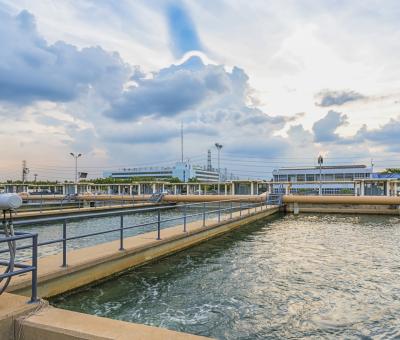

Optimal sludge dewatering is more important than ever, especially due to continuously rising disposal costs. VTA mudinator® demonstrates enormous savings potential in practical use in Upper Bavaria.
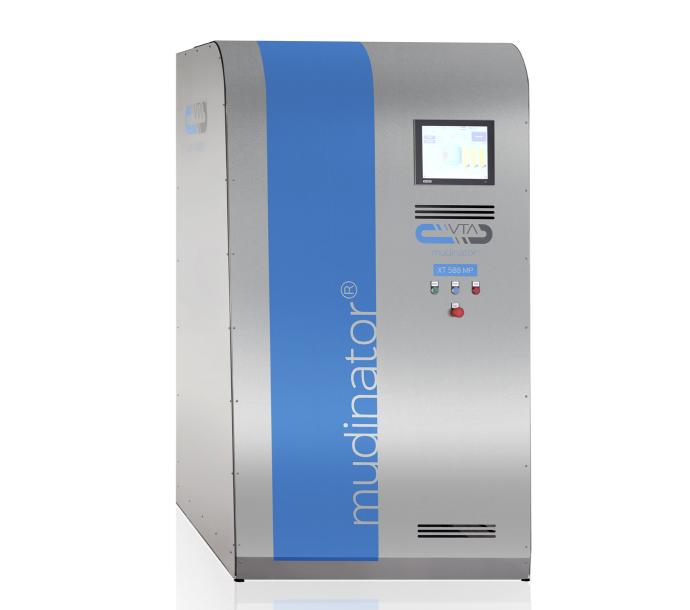
Disposing of sewage sludge is expensive: For example, in Bavaria, thermal treatment costs over €120 per ton (up to €200 across Germany), and this trend is continuing to rise. Arne Nath, engineer and head of the wastewater department at SüdWasser GmbH, explains, “In some treatment plants, this is already the biggest cost factor.” It is therefore important to dewater the sludge as effectively as possible. In addition to ensuring more stable operation of the plant, there are also more economic reasons for this than ever before. This is precisely where another innovation from the VTA Group, the VTA mudinator®, comes into play. Like the patented VTA GSD, this technology also works with ultrasound, but there is one important difference: less energy is used, so the sludge is not broken down. The floc structure is modified in such a way that the load balance is improved with the polymers used. The resulting floc is more resistant to cutting, and the water in between is removed. This increases the dry matter content of the dewatered sludge, reducing the volume of sludge to be disposed of. The example of the Piding wastewater treatment plant near the Bavarian spa town of Bad Reichenhall shows what this means in practice. At the plant, anaerobically stabilized sludge with approximately 2.3% dry residue and approximately 60% ignition loss is dewatered using a screw press with a feed rate of 3.5 m3 per hour. The discharge dry residue used to be between 22% and 24%.
Green light after comprehensive testing
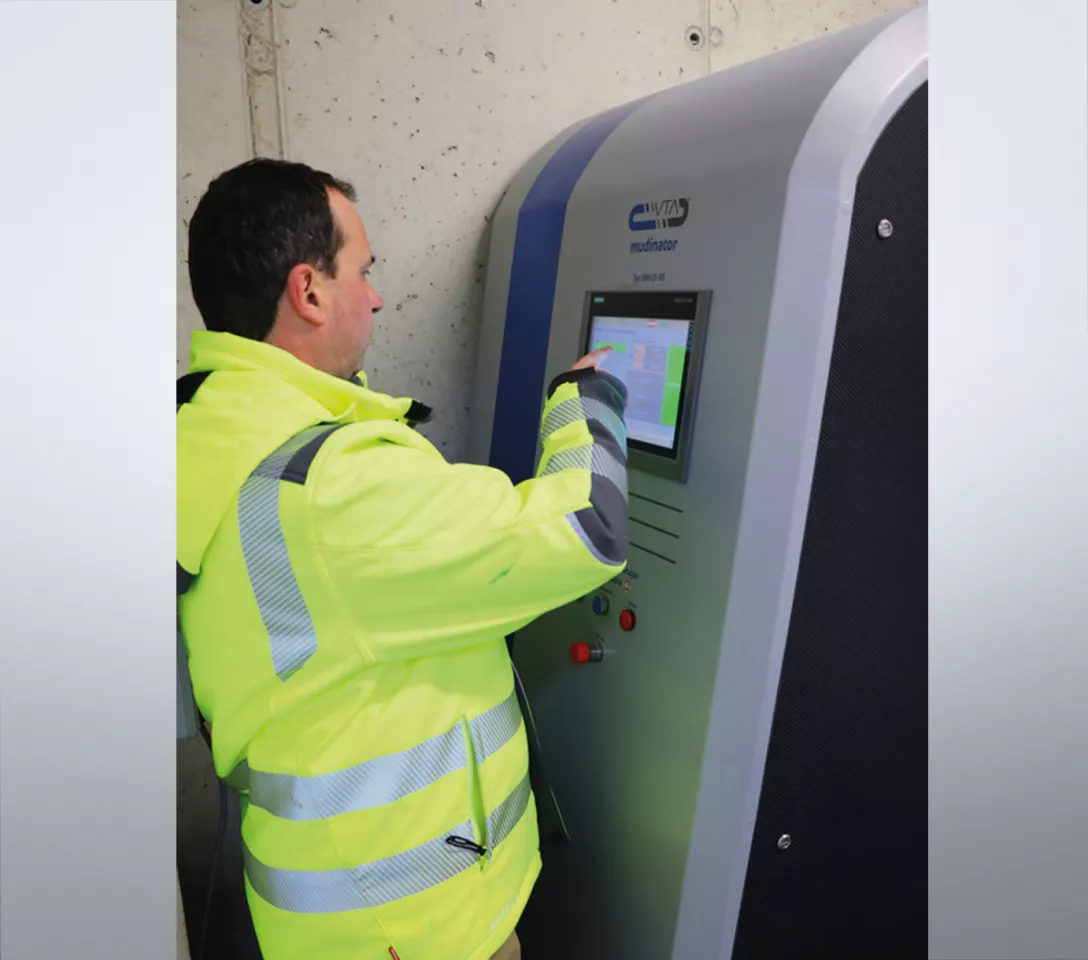
Before the VTA mudinator® was installed in Piding, comprehensive laboratory tests and tests by an external sludge analysis laboratory were carried out. The tests determined the optimum dosage of VTA Biocitran®, a high-performance dewatering product specially developed to create synergy with this technology. Laboratory tests showed that ultrasonic treatment resulted in a tremendous improvement of up to 28.6% in dry residue in the discharge. Subsequently, it was decided to install a VTA mudinator® with three converter systems.
Arne Nath summarizes the results as follows: “During normal operation, the amount of dry residue in the waste increased from approximately 23% initially to just under 26%.” With a disposal cost of €100 per ton, this approximately 3% increase in dry residue equates to an annual cost saving of approximately €17,000. As disposal costs increase, these savings will also increase accordingly; at €200 per ton, they will reach €34,000 per year. Arne Nath adds, referring to the current values as of February 2019, “We have now achieved a dry residue discharge rate of 28%, including during normal operation.” Therefore, the savings are even higher, and the cost advantages of the VTA mudinator® will continue to increase in the future as sludge disposal costs rise.
Savings on polymers too
The polymer requirement has also been reduced by approximately 8%. As a result, the use of the VTA mudinator® in Piding has led to such significant cost savings that the payback period for the investment was only four to five years.
VTA Biocitran® even stronger in the team
VTA Biocitran® is a newly developed, high-performance, citric acid-based product for sludge dewatering that creates maximum synergy when used in combination with VTA mudinator®. When added before the ultrasonic process, it further increases floc stability, optimizes the effect of the polymer, and increases the discharge of dry residue after dewatering. The centrifuge liquid becomes clearer, and the backload in the plant decreases. A secondary effect observed in Piding was a reduction in odor formation in the sludge.
Field report from the 82nd issue of the VTA Group's scientific journal “Tree Frog”

Richiesta
Volete ricevere ulteriori informazioni sui nostri prodotti?
Contattate i nostri esperti e insieme troveremo la soluzione giusta.